Rip City in November: The Blazers' Season Gets Measured
One championship, one pinwheel, and a region's whole winter: November is when the Blazers' season stops being a promise and becomes a measurement.
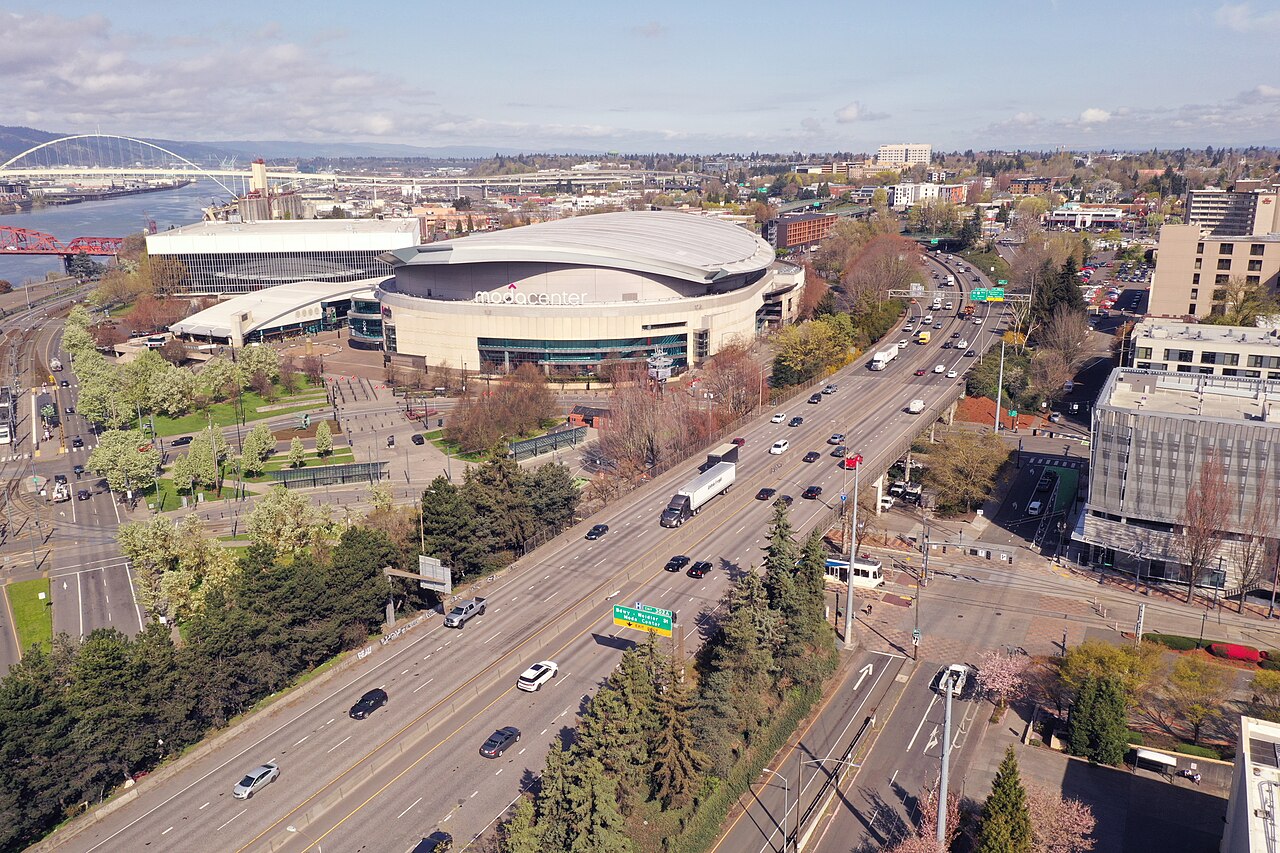
The Trail Blazers occupy a specific place in Portland's civic religion: the region's only franchise in the four traditional major leagues calls the Moda Center home, and the 1977 NBA championship — Bill Walton's masterpiece, the original Blazermania — remains the city's defining sports memory, a title whose parade the whole state still cites by year alone.
The Rose Quarter has grown around that devotion: the Moda Center arena and the Veterans Memorial Coliseum beside it, the 1960 glass palace where the Blazers won that title and where the franchise's first era is preserved in the region's memory. Game nights pull the east bank into a single red-and-black tide pouring off the MAX trains.
November is the season's first truth-telling month. October's openers are hope; November's schedule — the first long road trips, the first back-to-backs, the contenders cycling through on national television — measures a roster against the league's established order. For a franchise in a rebuilding era, November is where the league starts returning its verdicts, one road city at a time.
The Blazers' significance in this market outsizes their standings. In a metro whose other loyalties divide between two universities two hours apart and a soccer club of fierce but narrower devotion, the Blazers are the shared inheritance — the team of grandparents and grandchildren alike, the winter appointment that structures the region's cold months.
The building's calendar carries concerts and the Winterhawks' junior hockey in the Coliseum besides, but the anchor is basketball: 41 home nights, the pinwheel on the court, the 'Rip City' that a broadcaster coined in 1971 and a city adopted as a name. November's job is to make the winter matter. In Portland, by long habit, it does.