The River Came Back: Portland's Long Negotiation With the Willamette
From combined-sewer punchline to summer swimming river in a generation: the Big Pipe, the Superfund, and the long negotiation between Portland and its Willamette.
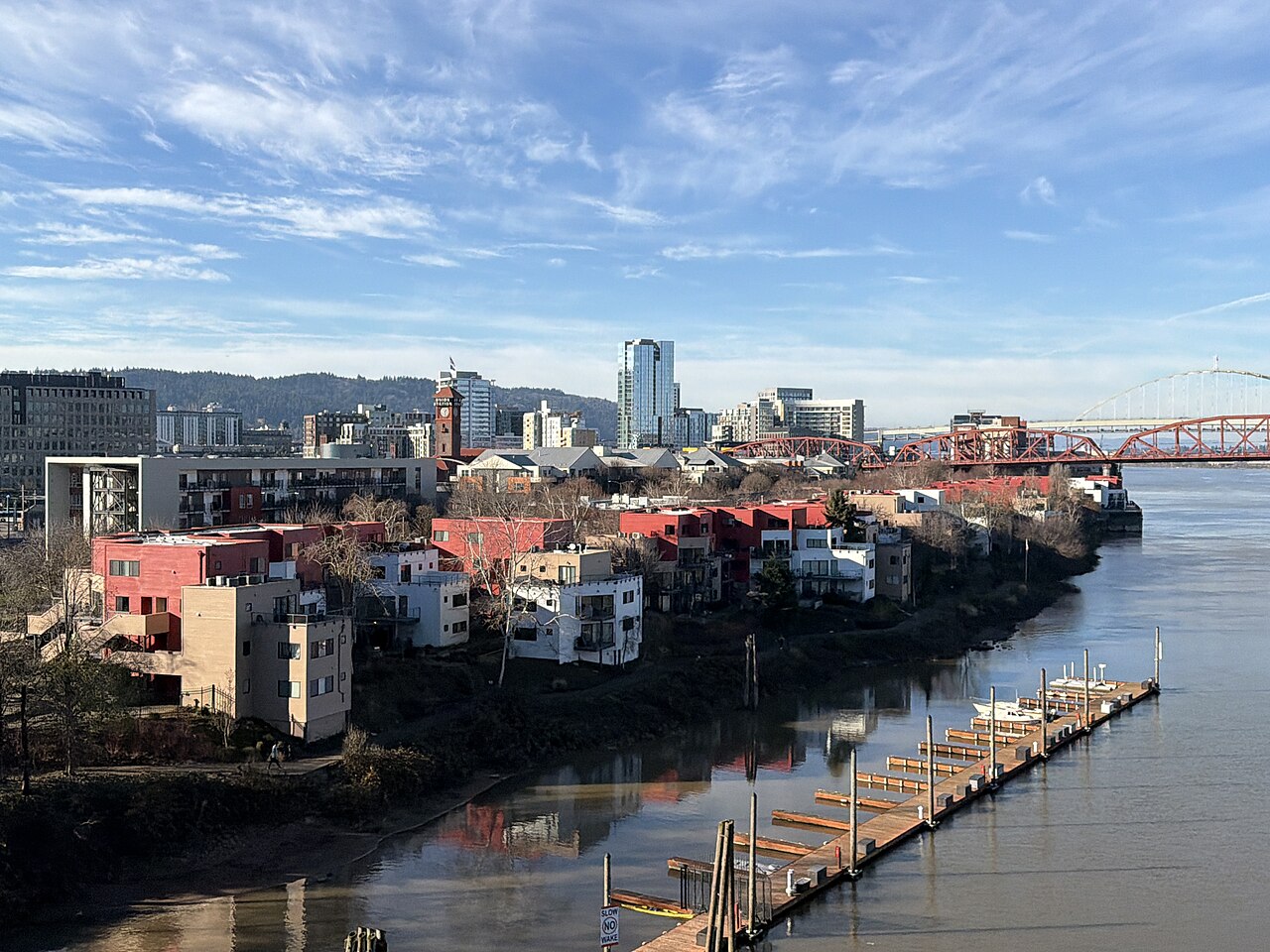
For most of a century, Portland treated its river as plumbing. The Willamette through downtown was a working sewer as much as a waterway — combined pipes carried storm runoff and raw sewage in the same stream, and heavy rains pushed the mixture straight into the river through overflow points, dozens of times a year. Swimming was a memory of grandparents.
The fix was the Big Pipe: a system of enormous tunnels and pipelines on both banks, completed in 2011 after two decades of construction, that captures the combined flow and routes it to treatment instead of the river. Overflows dropped by roughly 94 percent, by the city's accounting — from scores of events a year to a handful. The river did not become pristine. It became, on most days and by the state's own measurement, swimmable.
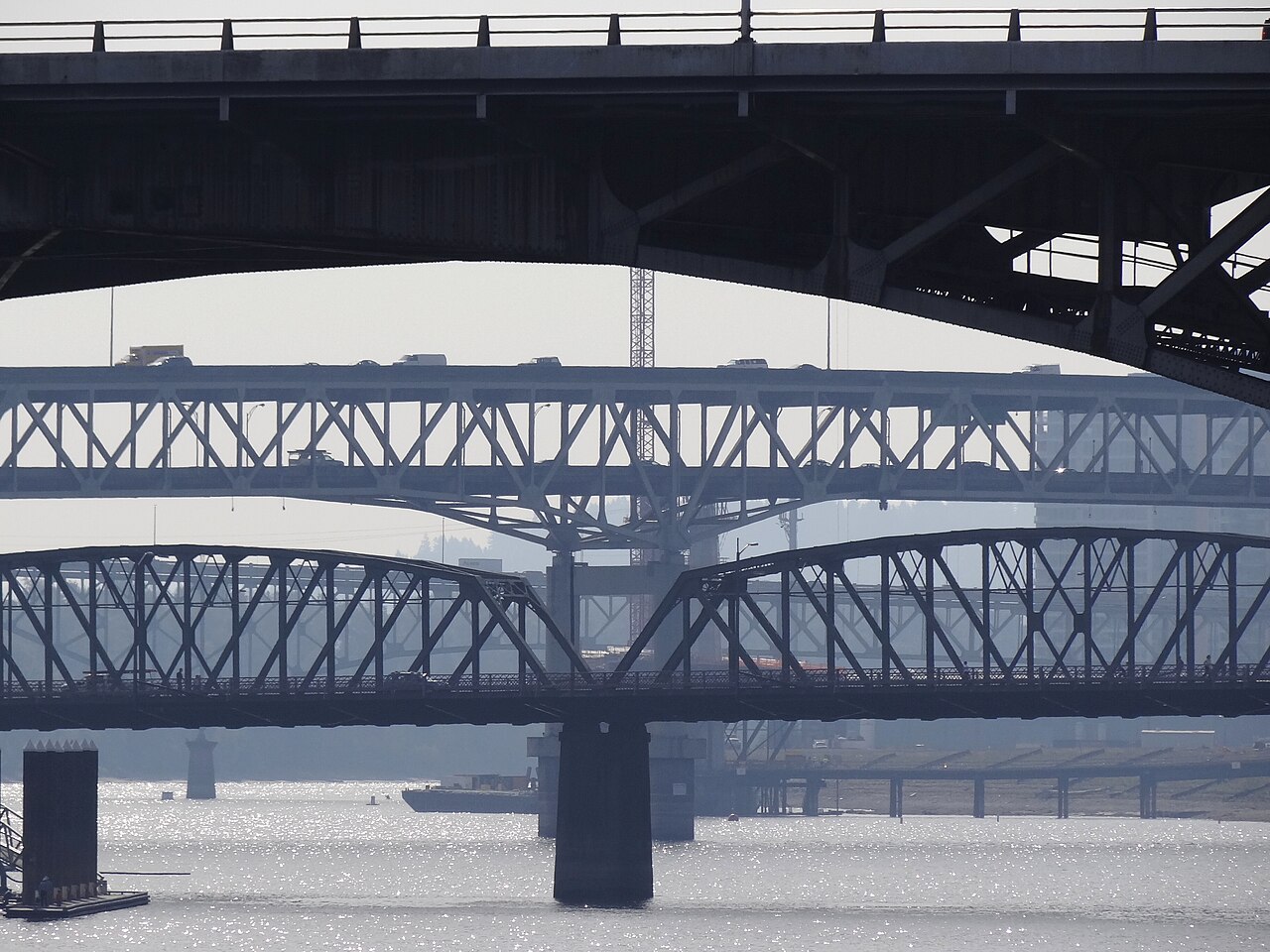
Portlanders took the invitation literally. The Human Access Project — the river-advocacy group behind the Big Float — has spent a decade arguing the city back into its water, promoting swimming beaches at Audrey McCall Beach under the Hawthorne Bridge, the Kevin Duckworth dock, and Poet's Beach under the Marquam. Lifeguards are absent; water-quality postings are not; the city and county publish bacteria results through the season, and the standing rule after big storms is the same as everywhere: wait.
The unfinished business has a federal name. The Portland Harbor stretch of the lower river is a Superfund site, designated in 2000 for contaminated sediments from a century of industry — a cleanup measured in decades and billions, still in its design and early-action phases, that will define the river's next generation as surely as the Big Pipe defined this one.
November ends the swimming argument for the year and begins the river's other season: high water, log rafts of storm debris, and the eagles returning to the cottonwoods. The recovery of an urban river is not an event. It is a trend line, and Portland's, for the first time in a century, points the right way.